![Dewalt DCW200N-XJ без акк. и з.у — рекомендации по хранению и использованию аккумуляторов 18V [11/44]](/icons/site-icon-64.png)
Dewalt DCW200N-XJ без акк. и з.у — рекомендации по хранению и использованию аккумуляторов 18V [11/44]
Превью страниц
Страница 11 /
44
![Dewalt DCW200N-XJ без акк. и з.у [11/44] Transportation](/views2/1889808/page11/bgb.png)
9
English
Battery Type
The following SKU(s) operate on a 18 volt battery pack: DCW200
These battery packs may be used: . Refer to Technical Data for
moreinformation.
Storage Recommendations
1. The best storage place is one that is cool and dry away
from direct sunlight and excess heat or cold. For optimum
battery performance and life, store battery packs at room
temperature when not inuse.
2. For long storage, it is recommended to store a fully charged
battery pack in a cool, dry place out of the charger for
optimalresults.
nOTE: Battery packs should not be stored completely
depleted of charge. The battery pack will need to be recharged
beforeuse.
Labels on Charger and Battery Pack
In addition to the pictographs used in this manual, the labels
on the charger and the battery pack may show the following
pictographs:
Read instruction manual beforeuse.
See Technical Data for chargingtime.
Do not probe with conductiveobjects.
Do not charge damaged batterypacks.
Do not expose towater.
Have defective cords replacedimmediately.
Charge only between 4˚C and 40˚C.
Only for indooruse.
Discard the battery pack with due care for
theenvironment.
Charge
DeWALT
battery packs only with designated
DeWALT
chargers. Charging battery packs other
than the designated
DeWALT
batteries with a
DeWALT
charger may make them burst or lead to
other dangeroussituations.
Do not incinerate the batterypack.
battery pack. Do not use a battery pack or charger that
has received a sharp blow, been dropped, run over or
damaged in any way (i.e., pierced with a nail, hit with
a hammer, stepped on). Electric shock or electrocution
may result. Damaged battery packs should be returned to
service centre forrecycling.
WARNING: Fire hazard. Do not store or carry the
battery pack so that metal objects can contact
exposed battery terminals. For example, do not place
the battery pack in aprons, pockets, tool boxes, product kit
boxes, drawers, etc., with loose nails, screws, keys,etc.
CAUTION: When not in use, place tool on its side on
a stable surface where it will not cause a tripping
or falling hazard. Some tools with large battery packs
will stand upright on the battery pack but may be easily
knockedover.
Transportation
WARNING: Fire hazard. Transporting batteries can
possibly cause fire if the battery terminals inadvertently
come in contact with conductive materials. When
transporting batteries, make sure that the battery
terminals are protected and well insulated from
materials that could contact them and cause a short
circuit. NOTE: Lithium‑ion batteries should not be put in
checkedbaggage.
DeWALT
batteries comply with all applicable shipping
regulations as prescribed by industry and legal standards which
include UN Recommendations on the Transport of Dangerous
Goods; International Air Transport Association (IATA) Dangerous
Goods Regulations, International Maritime Dangerous Goods
(IMDG) Regulations, and the European Agreement Concerning
The International Carriage of Dangerous Goods by Road
(ADR). Lithium‑ion cells and batteries have been tested to
section 38.3of the UN Recommendations on the Transport of
Dangerous Goods Manual of Tests andCriteria.
In most instances, shipping a
DeWALT
battery pack will be
excepted from being classified as a fully regulated Class
9Hazardous Material. In general, only shipments containing a
lithium‑ion battery with an energy rating greater than 100Watt
Hours (Wh) will require being shipped as fully regulated Class 9.
All lithium‑ion batteries have the Watt Hour rating marked on
the pack. Furthermore, due to regulation complexities,
DeWALT
does not recommend air shipping lithium‑ion battery packs
alone regardless of Watt Hour rating. Shipments of tools with
batteries (combo kits) can be air shipped as excepted if the Watt
Hour rating of the battery pack is no greater than 100Wh.
Regardless of whether a shipment is considered excepted
or fully regulated, it is the shipper's responsibility to consult
the latest regulations for packaging, labeling/marking and
documentationrequirements.
The information provided in this section of the manual is
provided in good faith and believed to be accurate at the time
the document was created. However, no warranty, expressed or
implied, is given. It is the buyer’s responsibility to ensure that its
activities comply with the applicableregulations.
Содержание
210- Dcw200
- Xxxx xx xx
- Technical data
- Machinery directive and radio equipment
- Ec declaration of conformity
- Definitions safety guidelines
- Cordless quarter sheet sander dcw200
- Congratulations
- Work area safety
- Save all warnings and instructions
- Personal safety
- General power tool safety warnings
- For future reference
- Electrical safety
- Service
- Residual risks
- Power tool use and care
- Battery tool use and care
- Additional safety instructions for sanders
- Using an extension cable
- Save these instructions
- Mains plug replacement u k ireland only
- Important safety instructions for all battery chargers
- Electrical safety
- Charging a battery fig b
- Chargers
- Important safety instructions for all battery packs
- Charger operation
- Charger cleaning instructions
- Battery packs
- Wall mounting
- Read all instructions
- Transportation
- Storage recommendations
- Labels on charger and battery pack
- Battery type
- To remove the battery pack from the tool
- To install the battery pack into the tool handle
- Package contents
- Markings on tool
- Intended use
- Inserting and removing the battery pack from the tool fig b
- Fuel gauge battery packs fig b
- Description fig a
- Date code position fig a
- Assembly and adjustments
- Wireless tool control fig a
- To perforate your abrasive paper
- Switch fig a
- Speed control dial fig a
- Proper hand position fig i
- Paper punch fig h1 h2
- Operation instructions for use
- Fitting sanding sheets fig c g
- Fitting regular sanding sheets fig c f
- Fitting hook and loop sanding sheets fig g
- Attaching abrasive paper
- To empty the dust bag
- To attach the dust bag
- Precautions to take when sanding paint
- Operating the sander fig i
- Dust extraction fig a j
- Tool care
- Replacing the sanding pad fig k
- Rechargeable battery pack
- Protecting the environment
- Optional accessories
- Maintenance
- Lubrication
- Cleanin
- Технические характеристики
- Поздравляем
- Обозначения правила техники безопасности
- Директива по механическому оборудованию
- Декларация о соответствии нормам ес
- Аккумуляторная 1 4 шлифовальная машина dcw200
- Общие правила техники безопасности при использовании электроинструментов
- Безопасность на рабочем месте
- Электробезопасность
- Сохраните все инструкции для последующего использования
- Эксплуатация электроинструмента и уход
- Обеспечение индивидуальной
- За ним
- Безопасности
- Электроинструментов и уход за ними
- Сохраните настоящее руководство
- Остаточные риски
- Обслуживание
- Использование аккумуляторных
- Дополнительные меры безопасности при работе с шлифовальными машинами
- Электробезопасность
- Использование удлинительного кабеля
- Зарядные устройства
- Важные инструкции по технике безопасности для всех зарядных устройств
- Работа с зарядным устройством
- Крепление на стену
- Инструкции по очистке зарядного устройства
- Зарядка батареи рис fig b
- Транспортировка
- Внимательно прочтите все инструкции
- Важные инструкции по технике безопасности для всех батарей
- Аккумуляторные батареи
- Тип батареи
- Рекомендации по хранению
- Маркировка на зарядном устройстве и аккумуляторной батарее
- Комплектация поставки
- Место положения кода даты рис a
- Маркировка на инструменте
- Извлечение батареи из инструмента
- Датчик уровня заряда аккумуляторной батареи pис b
- Установка шлифовальной бумаги
- Установка и извлечение аккумуляторной батареи из инструмента рис b
- Установка батареи в рукоятку инструмента
- Сборка и регулировка
- Описание рис a
- Назначение
- Эксплуатация инструкции по использованию
- Установка стандартных листов шлифовальной бумаги рис c f
- Установка листов шлифовальной бумаги рис c g
- Пусковой выключатель рис a
- Правильное положение рук во время работы рис i
- Перфорирование шлифовальной бумаги
- Крепление самоклеющейся шлифовальной бумаги рис g
- Дырокол для шлифовальной бумаги рис h1 h2
- Дисковой переключатель скорости рис a
- Беспроводное управление инструментом рис a
- Эксплуатация шлифовальной машины рис i
- Установка пылесборника
- Удаление пыли рис а j
- Опорожнение пылесборника
- Уход за инструментом
- Техническое обслуживание
- Меры предосторожности при шлифовании окрашенных поверхностей
- Замена шлифовальной подошвы рис k
- Чистк
- Смазка
- Защита окружающей среды
- Дополнительные принадлежности
- Аккумуляторная батарея
- Приложение к руководству по эксплуатации электрооборудования для определения месяца производства по номеру текущей календарной недели года
- Pусский
- Бездротова шліфувальна машина для чверті листа dcw200
- Технічні дані
- Позначення інструкції з техніки безпеки
- Директива для механічного обладнання
- Декларація про відповідність єс
- Вітаємо вас
- Зберігайте всі попередження та інструкції
- Загальні правила безпеки при експлуатації електричного інструмента
- Електрична безпека
- Для подальшого використання
- Безпека робочої зони
- Що живиться від акумулятора
- Особиста безпека
- Догляд за ним
- Використання та догляд за інструментом
- Використання електричного інструмента та
- Додаткові інструкції з техніки безпеки при роботі зі шліфувальними машинами
- Обслуговування
- Зберігайте ці інструкції
- Зарядні пристрої
- Залишкові ризики
- Електрична безпека
- Зарядка акумулятора рис fig b
- Використання електричного подовжувача
- Важливі інструкції з техніки безпеки для всіх зарядних пристроїв
- Робота зарядного пристрою
- Прочитайте всі інструкції
- Кріплення на стіну
- Важливі інструкції з техніки безпеки для різних типів акумуляторів
- Акумулятор
- Інструкції з очищення зарядного пристрою
- Транспортування
- Рекомендації щодо зберігання
- Тип акумулятора
- Сфера застосування
- Розташування коду дати рис a
- Опис рис а
- Маркування інструмента
- Комплект поставки
- Етикетки на зарядному пристрої та акумуляторі
- Установка акумулятора в інструмент та його виймання рис b
- Монтаж та налаштування
- Закріплення наждачного паперу
- Для встановлення акумулятора у ручку інструмента
- Встановлення шліфувальних полотен рис c g
- Встановлення шліфувальних полотен на текстильних застібках рис g
- Встановлення звичайних шліфувальних полотен рис c f
- Виймання акумулятора з інструмента
- Акумулятори з індикатором рівня заряду рис b
- Селектор контролю швидкості рис а
- Режим роботи інструкції з використання
- Прикріплення пилозбірника
- Перфорування наждачного паперу
- Перемикач рис a
- Належне положення рук рис i
- Дірокол рис h1 h2
- Випорожнення пилозбірника
- Видалення пилу рис a j
- Бездротове керування інструментом рис a
- Застереження при зніманні фарби
- Експлуатація шліфувальної машини рис i
- Захист навколишнього середовища
- Заміна шліфувальної підошви рис k
- Додаткові аксесуари
- Догляд за інструментом
- Технічне обслуговування
- Придатність акумулятора для перезарядки
- Очищення
- Змащування
Похожие устройства
-
 Patriot BS 900Инструкция к устройству
 -
 Kolner KRS 500VРуководство по эксплуатации
 -
 Makita BO4557Руководство по эксплуатации
 -
 Denzel VDS-2Руководство по эксплуатации
 -
Denzel VS-90-187Руководство по эксплуатации
-
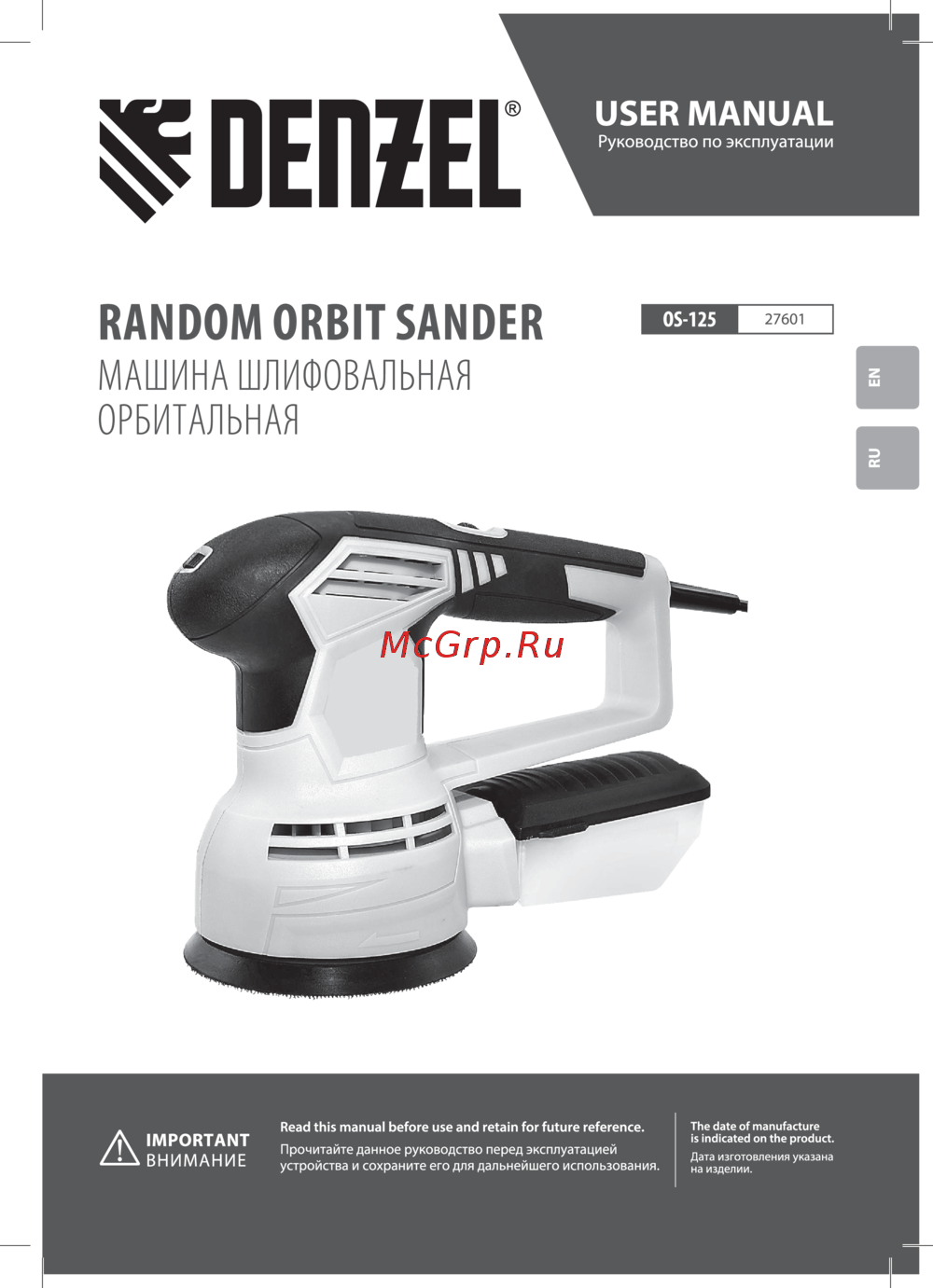 Denzel OS-125Руководство по эксплуатации
 -
 Festool ETSC 125 Li-Basic (201533) без акк. и з.уИнструкция по эксплуатации
 -
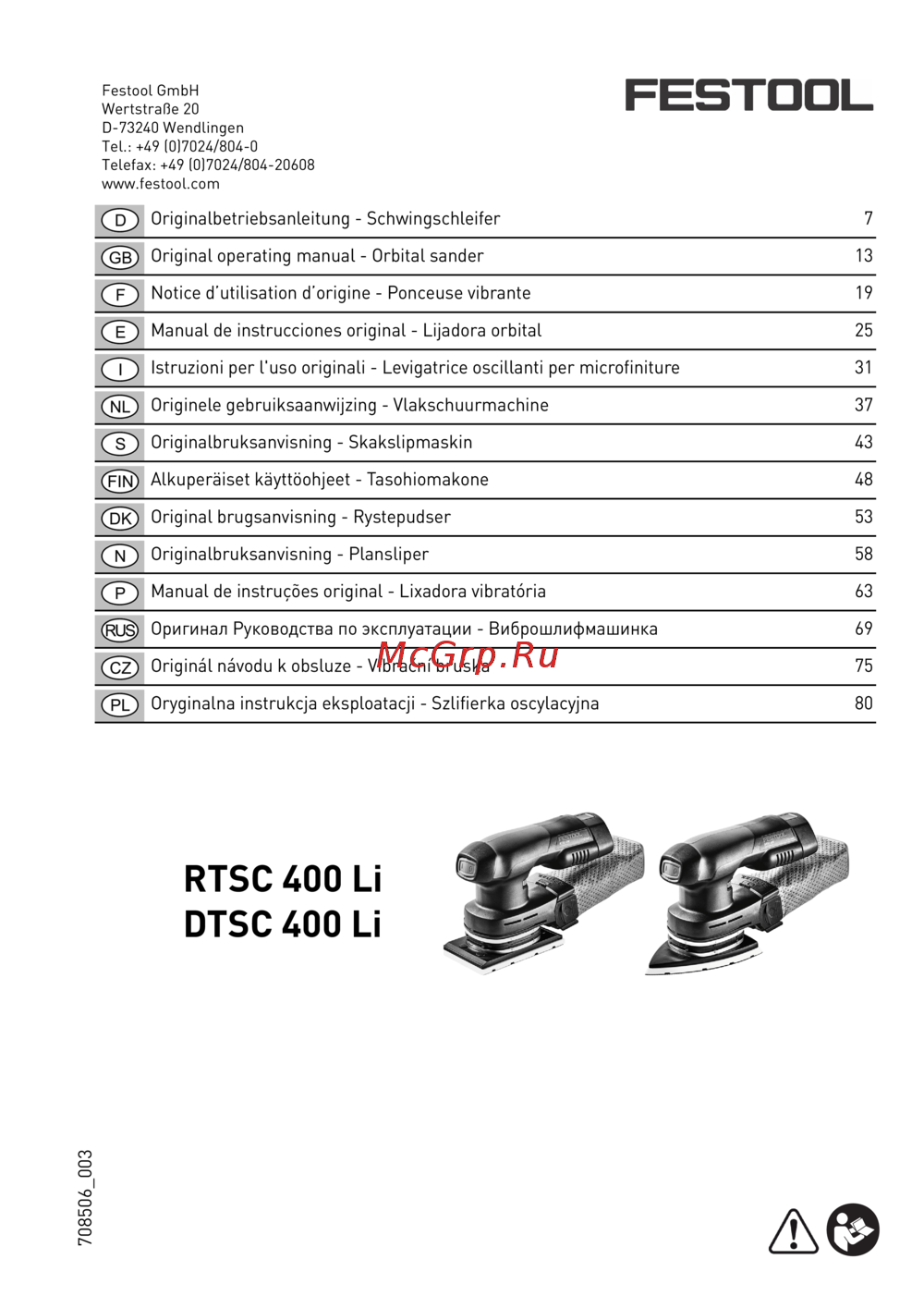 Festool DTSC 400 Li-Basic (201526) без акк. и з.уИнструкция по эксплуатации
 -
Festool RTSC 400 Li-Basic (201519) без акк. и з.уИнструкция по эксплуатации
-
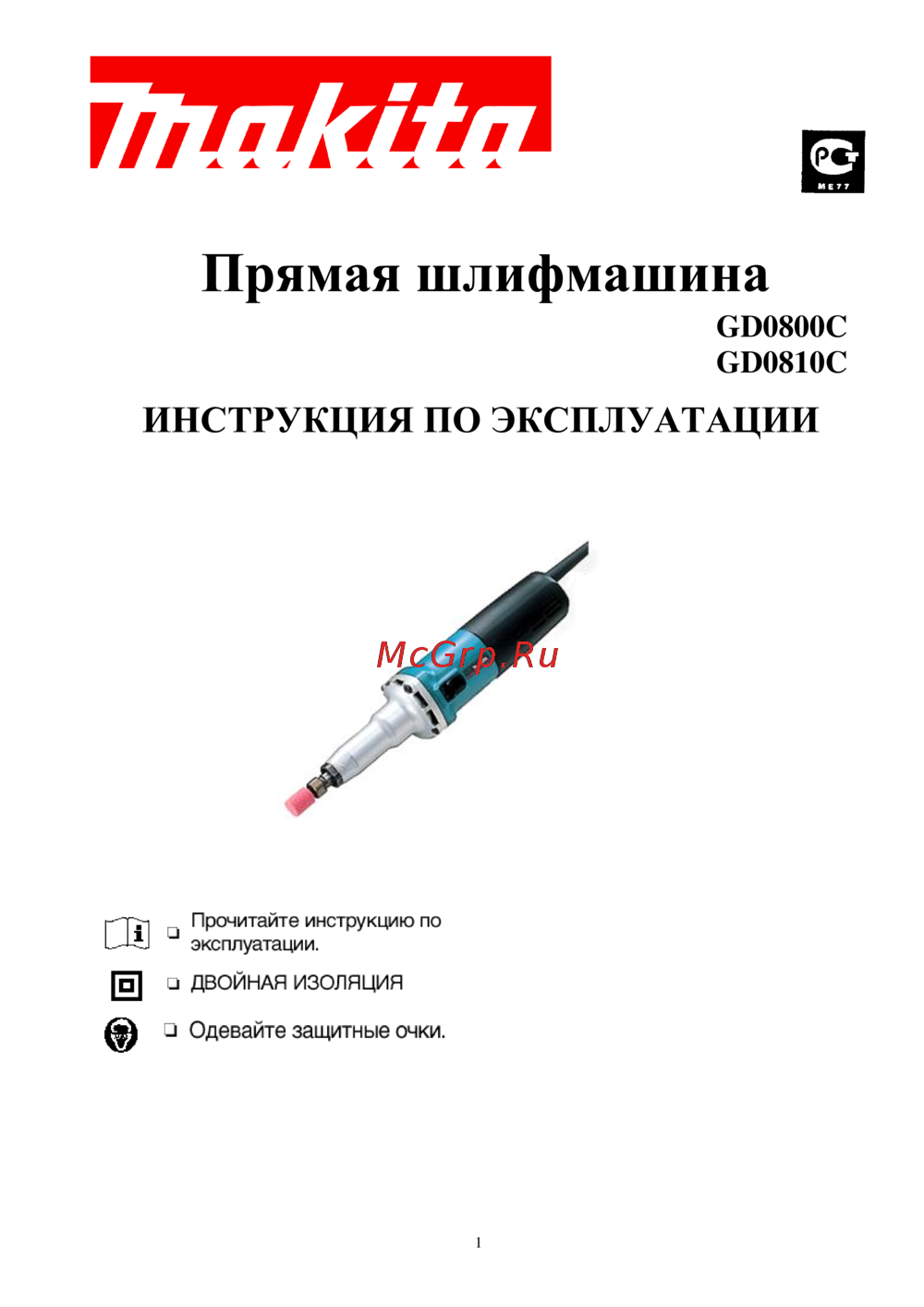 Makita GD0800CИнструкция по эксплуатации
 -
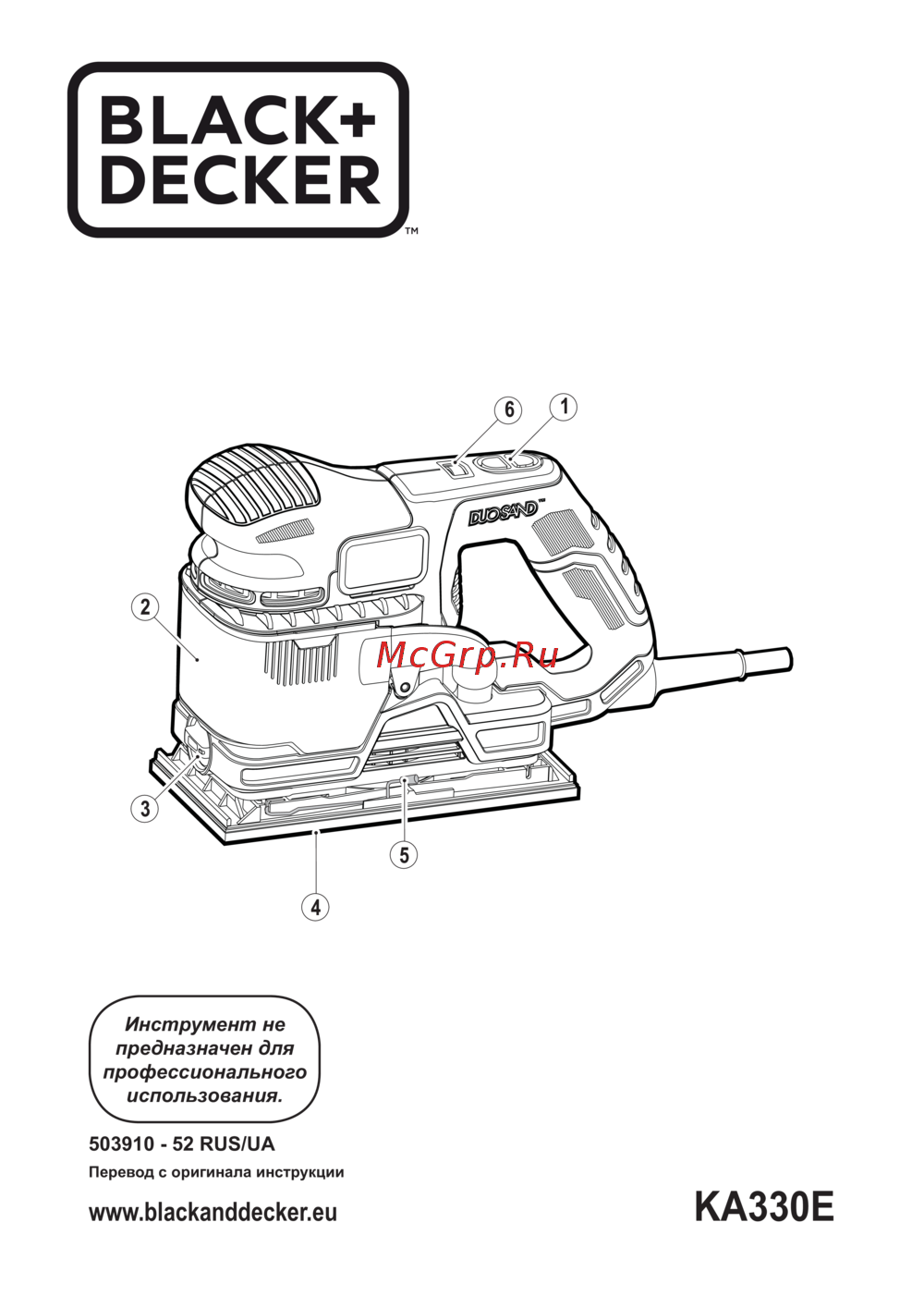 BLACK & DECKER KA330EИнструкция по эксплуатации
 -
 FERM PSM1033 без акк. и зу.Инструкция по эксплуатации
Узнайте, как правильно хранить и использовать аккумуляторы 18V для обеспечения их долговечности и безопасности. Следуйте рекомендациям по зарядке и транспортировке.